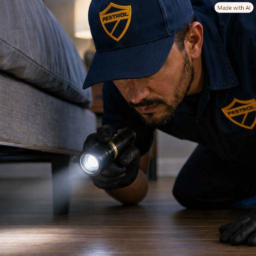




What if that scratching sound in your bedroom wall isn’t the steam pipes settling, but a high-traffic corridor for uninvited guests? Living in a Manhattan apartment means sharing space with neighbors, but you didn’t sign up for roommates that hide behind your drywall. We know how stressful it is to lie awake at night wondering if your expensive furniture is being damaged or if your kitchen is truly sanitary. It’s frustrating when you feel like your super isn’t listening or when you’re worried about the health of your family in such a tight space.
Identifying the signs of mice in walls Manhattan apartment dwellers often overlook is the first step toward reclaiming your home in 2026. This checklist provides the definitive evidence you need to confirm an infestation and present your landlord with undeniable proof. You’ll learn exactly what to look for, from NYC-specific grease marks to the subtle sounds of a nest. We also preview how professional Mouse Control and specialized Rodent Proofing offer the long-term protection your home deserves, moving far beyond the temporary fix of a basic snap trap.
Key Takeaways
- Understand how Manhattan’s unique building “voids” and aging infrastructure turn your apartment walls into a high-speed rodent transit system.
- Learn to identify the ten definitive signs of mice in walls Manhattan apartment buildings often hide, from specific scratching patterns to subtle rub marks.
- Pinpoint the “hot zones” in your unit, such as fridge motor housings and plumbing voids, where mice are most likely to nest or gather.
- Build an airtight case for your landlord or super by maintaining a professional pest log and capturing clear photographic evidence of the infestation.
- Discover why professional Rodent Proofing is the only permanent solution to seal entry points and protect your Manhattan home in 2026.
Why Manhattan Walls are the Perfect Mouse Highway
Manhattan’s vertical living creates a unique challenge for residents. Your apartment isn’t just a single unit; it’s part of a massive, interconnected network of “voids.” These interstitial spaces between floors and walls act as private highways for rodents. While you see a solid wall, a mouse sees a protected tunnel system that offers warmth and safety from predators. This architectural reality is why even the most modern buildings in 2026 struggle with infestations.
Many residents believe that a spotless kitchen is a perfect defense. Unfortunately, cleanliness doesn’t stop a colony from nesting inside your drywall. Mice often choose your home because of the structural access provided by aging infrastructure. Over time, even the best-maintained buildings settle, creating hairline cracks and shifting floorboards that are invisible to us but serve as open doors for a mouse. This is why identifying the signs of mice in walls Manhattan apartment buildings provide is critical. You need to distinguish between a transient mouse looking for a snack and a resident wall colony that has established a permanent home in the building’s skeleton.
Pre-War vs. Luxury High-Rise Vulnerabilities
Older Manhattan buildings are famous for their lath and plaster construction. These walls often have large, hollow cavities that provide ideal nesting grounds. Radiator pipes and old gas lines frequently have gaps where they meet the floor or wall, offering easy entry. In contrast, luxury high-rises face modern issues. Complex HVAC systems, recessed lighting, and extensive cable runs create hidden paths that span the entire height of the building. Shared electrical conduits allow rodents to move from the basement to the penthouse without ever being seen in a common hallway.
The “Just One Mouse” Myth in Multi-Unit Dwellings
If you spot a single mouse or hear a faint scratching, don’t assume it’s a lonely traveler. In a multi-unit environment, seeing one mouse almost always indicates a larger population nearby. Mice use pheromones to mark trails through wall voids, essentially leaving a “map” for others to follow. They don’t just wander; they colonize. Because NYC buildings provide consistent heat and shelter, these populations grow rapidly. A small group can become a significant infestation in just a few weeks. Recognizing these early indicators allows you to seek professional Rodent Proofing before the problem spreads to every room in your home.
The 10-Point Checklist: Confirming Mice in Your Manhattan Walls
Confirming an infestation starts with using your senses to look past the drywall. You don’t need to see a mouse to know it’s there; the evidence is often hidden in plain sight or tucked away in corners we rarely check. Use this systematic checklist to identify the specific signs of mice in walls Manhattan apartment dwellers typically encounter in 2026. By documenting these indicators, you can move from suspicion to a decisive solution.
Distinguishing Rodent Noises from Building Sounds
Manhattan buildings are never truly silent. You’ve likely grown used to the rhythmic clanking of steam radiators or the occasional groan of floorboards as they expand. Rodent activity sounds different. Mice produce erratic, frantic scratching or light scurrying that doesn’t follow a mechanical rhythm. These sounds usually peak at night when the building settles. If you’re unsure, use a high-powered flashlight to inspect baseboard gaps for “shadow movement.” A quick flicker of motion behind a crack is a definitive sign of an active traveler.
Visual Indicators Near Wall Breaches
Because mice have poor eyesight, they navigate by hugging walls. As they squeeze through tight gaps, the natural oils and dirt in their fur leave behind dark, greasy “rub marks” known as sebum. These stains are most common near radiator pipes and plumbing entries. You should also look for physical debris like small piles of drywall dust or shredded insulation, which indicate active nesting. If you find these marks, our professional Rodent Proofing team can help you identify exactly where they’re breaking through.
Use this 10-point checklist to confirm their presence:
- Erratic scratching: Sharp, irregular sounds coming from behind the drywall, especially at night.
- Gnawing noises: The sound of teeth on wood or plastic, often heard near electrical outlets.
- Scurrying patterns: Rapid movement sounds that travel horizontally across ceiling voids.
- Sebum rub marks: Dark, greasy stains on baseboards or near floor-level wall openings.
- Ammonia odor: A heavy, musky smell of urine that lingers in enclosed spaces like pantries.
- Physical debris: Small mounds of insulation, paper, or drywall dust near the edges of a room.
- Fresh droppings: Small, dark, spindle-shaped pellets found near pipe entries or under sinks.
- Teeth marks: Visible grooves on wooden molding, plastic pipes, or even furniture legs.
- Radiator gap activity: Greasy stains or droppings specifically where steam pipes enter the wall.
- Pet reactions: Dogs or cats staring intensely or pawing at a specific, seemingly empty wall section.
The Manhattan Hot Zones: Where to Look for Evidence
Finding a mouse in the middle of your living room is rare. These creatures prefer to stay within the safety of your home’s structure, only emerging when they feel secure. To get ahead of an infestation, you must look where they hide. In the vertical landscape of New York City, certain “hot zones” provide the perfect combination of warmth, water, and wall access. Focusing your search on these specific areas will help you identify the signs of mice in walls Manhattan apartment dwellers often miss until it’s too late.
Kitchen appliance motor housings are a favorite nesting spot. The back of your refrigerator or dishwasher provides constant warmth, and the wall breaches for electrical cords are rarely sealed properly. Similarly, under-sink plumbing voids offer a direct intersection between water sources and wall access. Check the gaps where pipes enter the drywall; if you see shredded paper or dark stains, you’ve found a high-traffic area. In renovated or luxury units, don’t overlook drop ceilings and decorative crown molding. These architectural features create hollow channels that act as private corridors, allowing rodents to move between rooms without ever touching the floor. Even your closet floors can provide early warnings. Check the back corners behind storage bins for the first signs of activity.
Trash Chutes and Compactor Rooms
Your apartment’s location within the building matters. Units located near trash chutes or compactor rooms face a higher risk of wall-dwelling residents. Mice are attracted to the consistent food source in the building’s core and use the “Stack Effect” to travel vertically through the structure. They move up and down the service shafts, squeezing into individual units through small gaps in the shared hallway molding. If you live near these service areas, pay close attention to the corners of your entry closets. These are often the first places they’ll explore after entering your unit from the building’s interior voids.
Sub-Floor and Baseboard Gaps
The space where your floor meets the wall is the most critical area for professional rodent proofing services. In many Manhattan buildings, baseboards don’t sit flush against the floor, leaving a gap just large enough for a mouse to squeeze through. Use a small hand mirror to inspect the dark voids under your kitchen cabinets or behind heavy furniture you can’t easily move. If you spot droppings or notice a rub mark on the wood, it’s clear evidence of a breach. Sealing these specific gaps is the only way to stop the cycle of mice entering from the building’s internal voids and reclaim your living space in 2026.

Taking Action: Documentation and Landlord Communication
Identifying the problem is only the start. To get your landlord to act, you need an airtight case. Start by creating a “Pest Log.” Record every instance of scratching or scurrying you hear. Note the exact date, time, and room where you heard or saw the activity. This log transforms vague complaints into a professional record of an ongoing issue. It shows that the problem isn’t a one-off event but a persistent infestation.
Take clear photos of any physical evidence you find. This includes droppings near radiator pipes or gnaw marks on baseboards. If you’ve identified the signs of mice in walls Manhattan apartment buildings often conceal, document the specific wall breaches. High-resolution photos provide the proof needed to trigger a building-wide response rather than a single trap placement. Your goal is to make it impossible for management to ignore the situation.
Under the “Warranty of Habitability,” your landlord is legally required to provide a pest-free environment. In 2026, NYC continues to enforce strict standards for multi-unit dwellings. If your building management remains unresponsive after you’ve provided written evidence, call 311 to file an official rodent complaint. This step ensures a city inspector documents the conditions, which often motivates immediate repairs from even the most reluctant owners.
Communicating with Your Building Super or Management
Write a formal notice to your management office. Don’t just ask for an exterminator to “take a look.” Use professional language and request comprehensive home protection from pests that addresses the structural entry points. If the super only offers sticky pads, document this “lack of action” in your log. Sticky pads don’t solve a wall-dwelling colony; they only catch the occasional traveler while the rest of the nest remains safe behind your drywall.
Request professional rodent proofing for your apartment.
The Limits of DIY Wall Treatments
Many tenants try to solve the problem themselves by stuffing steel wool into holes. While this might delay a mouse for a day, it’s a temporary deterrent at best. Rodents often chew around it or find a secondary path through the “Manhattan Highway” of your walls. Avoid using poison inside wall voids. If a mouse dies behind your drywall, the resulting odor is nearly impossible to eliminate without cutting into the wall. Professional exclusion remains the only permanent fix to seal these hidden corridors for good.
Professional Rodent Elimination: The Pestrol Advantage
Dealing with an infestation is exhausting. Once you identify the signs of mice in walls Manhattan apartment dwellers face, the next step is professional intervention that actually lasts. Pestrol doesn’t rely on the temporary fixes or retail products your super might suggest. We specialize in identifying the exact entry points unique to NYC architecture, from radiator gaps to shared electrical conduits. Our team understands that every building has its own “Manhattan Void” that requires a customized strategy to seal for good.
As a local, family-owned business, we bring decades of specialized experience to every inspection in Manhattan and the Bronx. We know the difference between a minor intrusion and a building-wide corridor issue that spans multiple floors. Our team treats every client with personal care, acting as a knowledgeable ally in maintaining a healthy environment. We shift the strategy from reactive trapping to proactive exclusion, ensuring your living space remains secure throughout 2026.
Our Rodent Proofing and Exclusion Process
We perform a systematic sealing of all structural gaps using industrial-grade materials that rodents cannot chew through. This isn’t a quick fix with steel wool; it’s a professional barrier integrated into your home’s structure. We also provide targeted treatment of wall voids to eliminate existing populations that are already nesting behind your drywall. Our process includes long-term monitoring and follow-up visits to ensure your Manhattan home stays a fortress. We don’t just solve the current problem; we prevent the next one from starting.
Peace of Mind with Tiered Protection
Every apartment has different needs based on its age and location. That’s why we offer tiered Home Pest Protection plans, including Basic, Plus, and Premium levels. These plans provide a structured way to maintain your home’s integrity without feeling overwhelmed by the process. Recurring inspections are a core part of our service, helping to prevent the seasonal surges common in Manhattan high-rises. You deserve to feel safe in your own home without the constant worry of what’s scurrying behind your drywall.
Schedule your professional Manhattan rodent inspection today
Reclaim Your Manhattan Sanctuary
Living in New York shouldn’t mean sharing your home with rodents hidden behind the drywall. You now have the tools to identify the specific signs of mice in walls Manhattan apartment buildings often conceal, from the subtle scurrying in the ceiling to the greasy rub marks near your radiator. By documenting this evidence and understanding the unique “voids” of city architecture, you’ve taken the first step toward a pest-free home in 2026.
Pestrol is a family-owned and operated institution specialized in the complex challenges of Manhattan multi-unit dwellings. We offer tiered Home Pest Protection plans designed for every budget, ensuring you get the exact level of defense you need. Our team moves beyond basic traps to provide permanent, professional results that protect your family and your property.
Get a Professional Rodent Evaluation for Your Manhattan Apartment
Don’t let the stress of an infestation disrupt your peace of mind. You have the right to a clean, safe living environment, and we’re here to help you secure it for good.
Frequently Asked Questions
Is it common to have mice in Manhattan apartments?
It is extremely common for Manhattan residents to encounter rodents. The city’s aging infrastructure and high-density living create a perfect environment for mice to thrive. With millions of people living in close proximity, shared wall voids and trash systems make infestations almost inevitable in some neighborhoods. While modern luxury buildings have better seals, the interconnected nature of NYC real estate means no building is completely immune to these uninvited guests in 2026.
What does it mean if I hear scratching in the walls at night?
Nighttime scratching usually indicates that rodents are using your wall cavities as a transit highway or nesting site. Since mice are nocturnal, they are most active when the building is quiet. These sounds are among the most reliable signs of mice in walls Manhattan apartment dwellers report. If the noise is erratic and localized to specific wall sections, it is a clear sign that a colony has moved in behind your drywall.
Can mice eat through Manhattan apartment walls?
Mice can easily chew through common building materials like drywall, plaster, and wood molding. Their teeth never stop growing, so they must gnaw constantly to keep them filed down. In many Manhattan units, they take advantage of soft spots near radiator pipes or electrical outlets to expand their entry points. They can even damage internal wiring or insulation, which creates a potential fire hazard if the infestation is left unaddressed for too long. For those dealing with substantial structural damage or contamination, TBC Restoration provides professional property recovery services to help restore your home’s safety and value.
Your landlord is legally responsible for pest control under the NYC Warranty of Habitability. This law requires owners to keep apartments safe and sanitary. If you’ve noticed the signs of mice in walls Manhattan apartment buildings often hide, management must arrange for professional treatment. Many buildings only offer basic trapping, but the proactive approach of a property management company Orlando FL shows how professional oversight can prevent these issues through better structural maintenance. You have the right to request more comprehensive solutions, like professional Rodent Proofing, especially if the problem persists after initial attempts by building staff.
Mice reach upper floors by traveling vertically through the building’s core. They use elevator shafts, trash chutes, and the internal plumbing “stacks” that run from the basement to the penthouse. Because they are excellent climbers, a 30th-floor apartment is just as accessible as a garden unit. They move through the “Manhattan Void” behind your walls, popping out into individual units wherever they find a small gap in the baseboards or cabinetry.
What is the fastest way to get rid of mice in the walls?
The fastest and most effective solution is professional Rodent Proofing combined with targeted wall-void treatment. While retail traps might catch a single traveler, they don’t stop the source of the problem. A professional team identifies every structural breach and seals it with industrial-grade materials. This “exclusion” method cuts off their access to your living space immediately. It stops the cycle of infestation by turning your apartment into a fortress that rodents cannot penetrate.
Are wall-dwelling mice dangerous to my health?
Rodents living in your walls pose several health risks. They carry bacteria and viruses that can be transmitted through droppings or urine, even if you never see the mouse itself. Additionally, the dander and waste they leave behind in wall voids can trigger severe allergies or asthma attacks, particularly in children. The stress and lack of sleep caused by hearing them at night also take a significant toll on your mental well-being and quality of life.
How can I tell if a mouse is dead in my wall?
A dead mouse produces a very distinct, pungent odor that smells like rotting cabbage or sulfur. This smell usually appears a few days after the rodent dies and can linger for weeks if the area isn’t ventilated. You might also notice an increase in blowflies or other insects near the wall section where the smell is strongest. Because the odor is so persistent, it’s always better to focus on exclusion rather than using poisons.