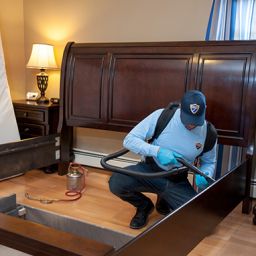




A pest problem rarely stays where you first notice it. For homeowners looking for residential pest management in Wawayanda, a practical first step is identifying the pest and how it may be getting inside. That helps match treatment and prevention to the home.
It’s understandable to want a clear answer: can the problem be fixed, and what will it take? A careful inspection can help pinpoint activity and likely entry points, while an estimate sets out the recommended work before treatment begins. The right plan depends on what’s happening in and around your home.
This guide explains what to expect from residential pest inspections and estimates, how home protection plans and perimeter treatments can help, and where quarterly prevention fits. You’ll also learn how to think through the next step when pests return or you spot signs of a new problem, so you can protect your home with a clear, practical plan.
Key Takeaways
- Learn how an inspection can connect pest activity with possible entry points and shape a practical treatment estimate.
- See why eaves, windows, doors, and other perimeter areas matter when planning targeted pest treatment.
- Understand how home protection plans and quarterly prevention can support an ongoing approach to pest concerns.
- Explore how to choose between a focused response to an active problem and broader home protection.
- Find out when Pestrol’s Home Pest Protection plans or Bed Bug Treatment may fit your household’s needs.
Pest treatment around eaves, windows, doors, and home perimeters
For residential pest management in Wawayanda, effective perimeter work starts by connecting pest activity with likely entry points. An inspection helps guide treatment and prevention around the home.
Treatment Along Home Entry Points
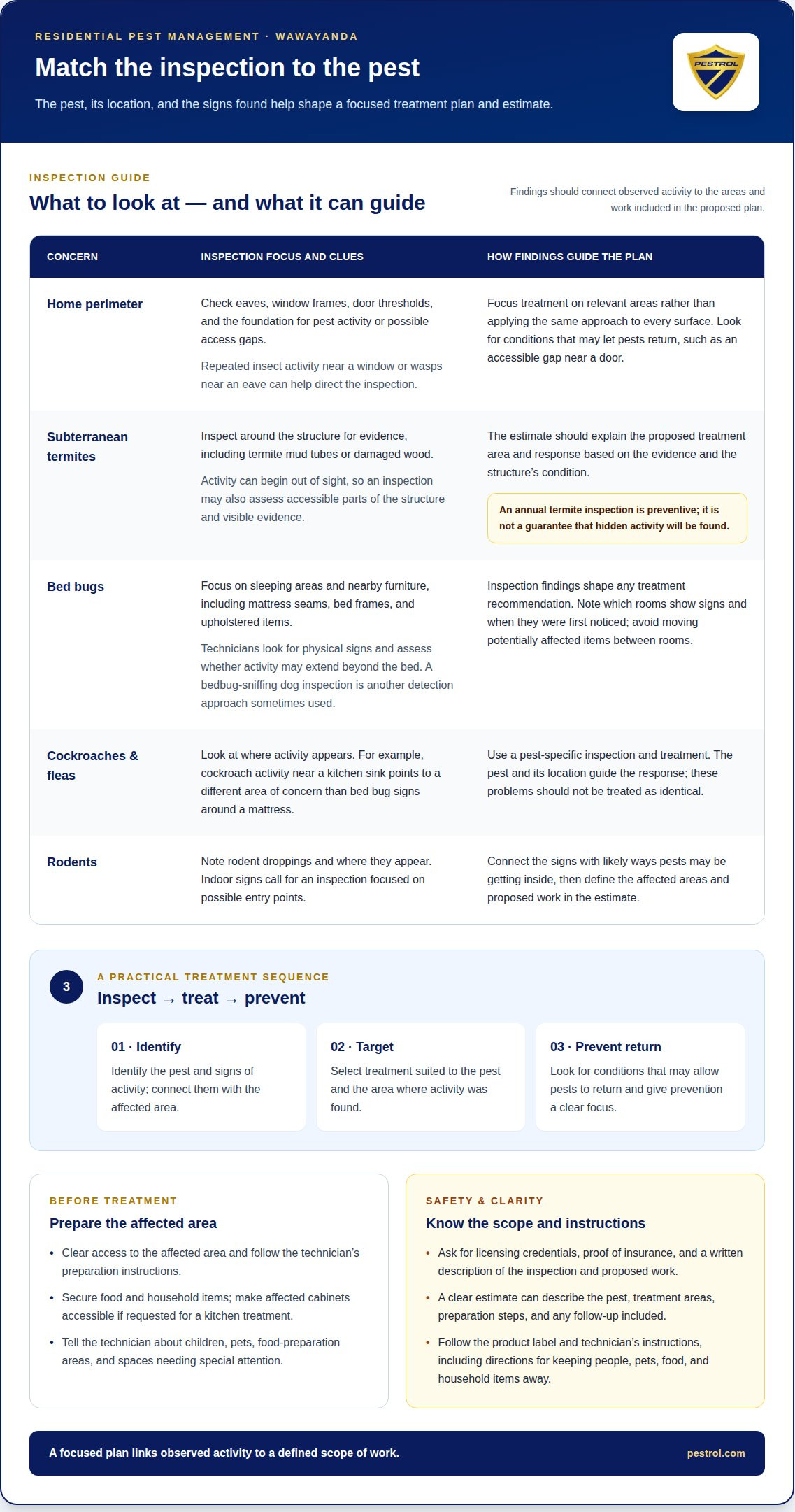
Technicians inspect areas such as eaves, window frames, door thresholds, and the foundation for pest activity or possible access gaps. Treatment focuses on relevant areas rather than applying the same approach to every surface. Repeated insect activity near a window or wasps near an eave can help direct the inspection and identify areas for attention.
Inspection, Treatment, and Prevention
A practical process is to inspect, treat, and prevent. Technicians first identify the pest and signs of activity, then select treatment suited to the affected area. They also look for conditions that may let pests return, such as an accessible gap near a door. This links the treatment to observed activity and gives prevention a clear focus.
Subterranean termites need a targeted inspection because activity can begin out of sight. Technicians look for evidence around the structure and assess where treatment may be needed. In the United States, subterranean termites cause millions of dollars in damage each year. Prompt attention to suspected activity can help homeowners address a concern before it goes unnoticed.
When planning treatment, tell the technician about children, pets, and areas used for food preparation. Identify spaces that need special attention and follow the instructions given for the specific application. A treatment plan should account for both pest activity and how household members use the affected rooms or exterior areas.
Cockroach, bed bug, and flea problems call for pest-specific inspections and treatments. Cockroach activity near a kitchen sink, for example, points to a different area of concern than bed bug signs around a mattress. The pest and its location guide the response; these problems should not be treated as identical.
When choosing a pest control provider, ask for licensing credentials, proof of insurance, and a written description of the inspection and proposed work. These details clarify who will perform the treatment and which areas the plan covers.
For pesticide safety, follow the product label and the technician’s instructions for the treatment area. Keep people, pets, food, and household items away as directed for that application.
For homes in Wawayanda and nearby Orange County communities, choose a residential pest control service suited to the pest you’ve found. The response should match the problem, whether it involves termites, bed bugs, or rodents.
Before treatment, clear access to the affected area, secure food and household items, and follow the technician’s preparation instructions. For a kitchen treatment, for example, make affected cabinets accessible if requested.
Watch for termite mud tubes or damaged wood, bed bug evidence near sleeping areas, rodent droppings, and carpenter ants near damp or damaged wood. If ticks or mosquitoes are a concern, note where you see activity around the property. Indoor rodent signs call for an inspection focused on possible entry points.
Residential pest inspections and estimates
A useful inspection connects signs of pest activity with the areas that need attention. In Wawayanda, the findings can guide a customized treatment estimate for concerns involving insects, termites, or suspected bed bugs.
What an inspection and estimate should cover
An inspection starts with the reported problem: where activity appears, when it occurs, and which rooms or structures are affected. Technicians examine relevant areas for pests, damage, or conditions that may support an infestation. If insects appear near stored food, for example, a kitchen inspection may focus on the pantry and nearby entry points.
The estimate should connect the inspection findings to a defined scope of work. It can describe the pest, treatment areas, preparation steps, and any follow-up included in the proposed plan. A clear scope distinguishes targeted work from broader control services. Recommendations should reflect inspected conditions, not only a brief description of the problem.
Bed bug detection and canine inspections
Bed bug inspections focus on sleeping areas and nearby furniture, including mattress seams, bed frames, and upholstered items. Technicians look for physical signs and assess whether activity may extend beyond the bed. A bedbug-sniffing dog inspection is another detection approach sometimes used when activity is suspected. It can help direct closer examination, while inspection findings shape any treatment recommendation.
Before an inspection, note which rooms show signs and when you first noticed them. This timeline can help technicians focus their search, especially if no insects are visible during the visit. Avoid moving potentially affected items between rooms, which can make it harder to trace the suspected source.
Termite inspections and estimates
An annual termite inspection provides a regular opportunity to look for signs of subterranean termite activity and assess areas of concern. It is a preventive practice, not a guarantee that hidden activity will be found. An inspection may cover accessible parts of the structure and visible evidence. If activity is identified, the estimate should explain the proposed treatment area and response.
Termite Control addresses termite concerns with a pest-specific plan. Treatment decisions depend on the evidence, the affected location, and the structure’s condition. For homes in Orange County, a written estimate makes the proposed scope clear before work begins.
For a bed bug concern, termite evidence, or another household infestation, residential pest control services can connect inspection findings with a focused treatment plan. Clear observations and a defined scope help turn uncertainty into a practical next step.
Residential home protection plans
A protection plan organizes pest control around scheduled visits and defined coverage. Before choosing, compare the pests included, treatment approach, and areas covered.
Annual Pest Protection Plans
A protection plan can organize prevention across the year rather than address only one reported problem. Review its scope, including covered pests, scheduled visits, and areas such as living spaces, basements, or the home’s exterior. These details help determine whether the plan suits your household’s concerns.
Start by matching coverage to the pests and spaces that matter most. A home with recurring insect activity near entry points needs a different focus from one with pests in a storage area. Ask how the plan handles a newly noticed pest, what each visit covers, and how treatment responds to inspection findings.
Residential needs differ from commercial properties. A household may prioritize bedrooms, kitchens, and access points, while a commercial site has different spaces and routines. A written plan should make these boundaries clear and describe the included work without implying that every pest or treatment is automatically covered.
For an annual plan, review the service schedule and the process for reporting activity between visits. A clear response process helps connect an emerging issue with the plan’s covered pests and treatment scope. Licensed professionals can explain the proposed methods and the areas where they will work.
Recurring Home Defense Plans
Pestrol’s Home Pest Protection plans provide scheduled service for ongoing pest prevention. The package warranty states: “WE KEEP COMING BACK AT NO COST UNTIL PEST ARE GONE.” Review which pests and areas are covered when choosing a plan.
A one-time treatment addresses a particular active problem, while a protection plan provides scheduled attention over time. One-time work may suit a defined infestation in a specific room. Ongoing service may be a better fit when you want continued prevention across several areas. The right choice depends on the pest, its location, and whether activity has returned.
Before selecting recurring service, consider the treatment areas, inspection findings, and household priorities. For example, a plan focused on exterior access points may not address an indoor concern unless that pest and space fall within its scope. Ask for the scheduled work and covered pests to be explained clearly.
Understand how the plan distinguishes scheduled visits from additional treatment. This helps set expectations if activity appears between appointments. Choose based on the problem, the spaces involved, and the stated coverage rather than assuming every plan covers every pest.
Quarterly pest prevention
Quarterly prevention creates a repeating cycle of inspection and treatment throughout the year. Each visit gives technicians a chance to review pest activity, adjust priorities, and address conditions that may attract pests. The focus can change with household needs: a recent rodent sighting, for example, calls for different attention than spiders near a window.
At each quarterly visit, technicians can use a consistent sequence:
- Review activity. Note reported sightings, affected rooms, and changes since the previous visit.
- Inspect relevant areas. Look for pest evidence, access points, and conditions around the home.
- Set treatment priorities. Match methods to the pest and the places where activity appears.
- Recommend prevention steps. Identify practical changes that can reduce access to food, water, or shelter.
A repeatable process helps make each visit useful. A new trail of ants near a pantry, for instance, can shift attention to that area instead of repeating an unchanged treatment.
Pay attention to rodents when signs appear indoors or near the structure. Droppings, gnaw marks, or repeated sounds in a wall can prompt an inspection of possible access routes. Prevention may include identifying openings and conditions that support activity. If mouse signs keep returning, the inspection can help determine whether Rodent Proofing should be considered alongside treatment.
Seasonal changes can affect what technicians prioritize. One visit may focus on spiders near windows, while another centers on rodent activity in a storage space. The inspection should follow current evidence rather than assume the same pest remains the main concern. Recording changes between visits gives technicians a clearer picture of which areas need attention.
Household prevention supports professional treatment between appointments. Store food in sealed containers, remove accessible crumbs, and keep storage areas orderly. Addressing a gap near a door can help reduce a possible route indoors. These steps do not replace inspection, but they give a prevention plan practical context. Technicians can assess whether activity near stored food relates to surrounding conditions.
Quarterly home prevention differs from commercial pest management because the spaces and routines differ. A family home may need attention to bedrooms, kitchens, basements, and exterior access points, while a commercial property has its own usage patterns and concerns. In either setting, recurring visits are most useful when technicians connect observations to specific spaces and adjust the approach to the pest found.
Between visits, note changes rather than guessing at their cause. Record where you see activity and whether it returns after cleaning or moving stored items. These details help technicians compare current signs with earlier observations and set focused prevention priorities.
Residential pest management
For residential pest management in Wawayanda, match the response to the pest, its location, and whether activity is ongoing. A mouse in a pantry, ants near a window, and suspected termites call for different inspections and priorities. Identify the problem first, then choose a response that addresses the likely source and affected spaces.
Start with evidence, not assumptions. Note where you see activity, what signs appear, and whether they return after cleaning or moving stored items. Droppings beneath a kitchen sink, for example, direct attention to a different area than scratching sounds in an attic. These details can connect visible signs with possible entry routes, nesting areas, or conditions that support pests.
Next, decide whether you need treatment, prevention, or both. A single active insect problem may call for targeted work in one room. Repeated sightings in several areas may warrant a broader inspection and a protection plan. Technicians can explain which areas need attention and what practical steps may help reduce renewed activity.
- Identify the pest. Distinguish visible insects from signs such as droppings, damaged materials, or shed skins.
- Map the activity. Record affected rooms and nearby features, such as a basement window or food storage.
- Consider the pattern. A one-time sighting differs from repeated activity in the same space.
- Set a priority. Address active infestations before focusing on general prevention.
Take persistent rodent signs seriously. Rodents can establish a colony in a matter of weeks if left untreated. A technician can inspect affected areas and look for possible access points. Rodent Proofing may be relevant if the inspection identifies routes that could let mice or rats inside. Addressing access and pest activity together is more comprehensive than relying on a surface treatment alone.
Household routines also shape a practical plan. Food crumbs near a pantry, cluttered storage, or an unaddressed gap can provide clues during an inspection. Removing accessible food residue and keeping stored items orderly can support prevention, while technicians assess pest evidence and treatment needs. For a northern-facing basement with repeated rodent signs, for instance, the inspection should focus on that space and nearby access points, not assume every room has the same issue.
A clear treatment recommendation explains the pest, the areas involved, and the purpose of each step. This gives homeowners a concrete basis for deciding whether targeted treatment or ongoing protection better suits their needs.
Pestrol
Pestrol helps homeowners address active pest concerns and choose ongoing protection suited to their needs. Home Pest Protection – Basic, Home Pest Protection – Plus, and Home Pest Protection – Premium offer different levels of residential protection. For a specific bed bug concern, Pestrol provides Bed Bug Treatment.
Turn to Pestrol when you need help deciding whether a household pest issue calls for targeted treatment or a broader protection plan. The next step depends on the pest and affected areas. Share what you’ve noticed, such as repeated activity in a room or signs around sleeping areas, to guide the service discussion.
Contact Pestrol to discuss residential pest management for your home in Wawayanda.
Choose a practical next step for your home
A pest concern is easier to manage when you know what decision comes next. For residential pest management in Wawayanda, start with the issue that matters most to your household and choose a response that fits. Targeted treatment may suit an active problem, while a protection plan supports ongoing prevention.
Pestrol offers Home Pest Protection – Basic, Home Pest Protection – Plus, and Home Pest Protection – Premium. These plans give homeowners different levels of coverage to consider. Think about the areas you want addressed and whether you need help with a current problem or ongoing protection.
You don’t need to address every concern at once. A clear conversation about what you’ve noticed can turn uncertainty into a manageable next step for your home.
Take the next step when you’re ready, and move toward a more comfortable home.
Frequently Asked Questions
Can You Fix My Problem?
Many household pest problems can be addressed with an inspection and treatment suited to the pest involved. Start by identifying what you’ve seen and where activity occurs. Insects in a pantry and bed bug signs near a bed, for example, call for different responses. A technician can assess the affected areas and recommend a focused next step based on the findings.
How Much Will This Cost Me?
The cost depends on the pest, affected areas, and work needed. A localized insect issue differs from a problem involving several rooms or an ongoing protection plan. An estimate can outline the proposed work before treatment starts. Share the signs and locations you’ve noticed so the recommendation reflects your home’s needs.
When Can I Get Started?
Start by arranging an inspection or discussing the pest signs affecting your home. Describe the rooms involved, when you noticed activity, and whether it has appeared repeatedly. Recurring sounds in a wall, for example, provide different clues than a single insect near a window. These details help direct the initial assessment and clarify the next step.
What residential pest control services are available in Wawayanda, NY?
Residential options include Home Pest Protection plans, Bed Bug Treatment, Mouse Control, Rodent Proofing, Termite Control, and services for ants, roaches, ticks, and mosquitoes. The right service depends on the pest and affected area. Bed bug concerns require a different response from rodent entry. Pestrol can help match your concern with a suitable residential service.
What pests are common in Wawayanda homes by season?
Pest activity can change with the seasons, although the specific pests vary by property. In warmer periods, homeowners may notice ants, mosquitoes, ticks, wasps, or bees outdoors. As temperatures drop, rodents may seek shelter inside buildings. Indoor signs, such as droppings or insects near stored food, need attention in any season. The type and location of evidence help guide the response.
How much does residential pest control cost in Wawayanda, NY?
There is no single cost for every Wawayanda home. An estimate depends on the pest, the size and location of the affected area, and whether the work addresses one active issue or ongoing prevention. The scope matters too. A clear estimate describes the proposed service so you can understand what work addresses your concern before deciding how to proceed.
Are pest control treatments safe for children, pets, and pollinators?
Safety depends on the treatment and where it is applied, so follow the product label and the technician’s instructions for each application. Tell the technician about children, pets, and pollinator activity near the treatment area before work begins. For example, mention a dog’s regular path beside a doorway or bees visiting flowering plants. These details help guide planning for the specific home.
What pesticide safety rules apply to residential pest control in New York State?
Follow the product label and the technician’s instructions for the treatment area. Keep people, pets, food, and household items away as directed for that application.