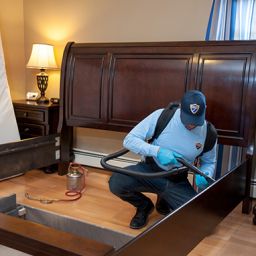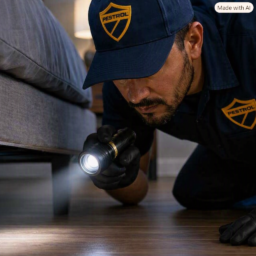




Urgency doesn’t make pest inspection costs one-size-fits-all. For a same-day pest inspection in Manhattan, the price depends on the pest, how widespread the signs are, the property’s size and layout, and whether the inspection is for a home or business. Request a quote for a case-specific price.
It’s understandable to want a clear figure before arranging a visit, especially when pests may affect daily routines, tenants, customers, or inventory. An inspection helps identify the pest and conditions that may be allowing it to persist, so you can choose a suitable next step instead of relying on a generic estimate.
This guide explains what can shape inspection costs in New York City, what an assessment may cover, and how residential and commercial needs differ. You’ll also learn how to prepare, why access to affected areas can influence the scope, and when targeted pest management may make sense after the findings are clear.
Key Takeaways
- Inspection costs depend on the pest, the extent of the signs, the property’s size and layout, and whether the space is residential or commercial.
- Understand how scheduling, property access, and the urgency of the situation can affect the timing of an inspection.
- Learn what details and evidence can help distinguish one pest problem from another during an assessment.
- Prepare useful information about where and when you’ve noticed pest activity to help focus the inspection.
- Compare ongoing home protection options with targeted treatment to choose a next step that fits the issue.
How much does pest control cost in New York City?
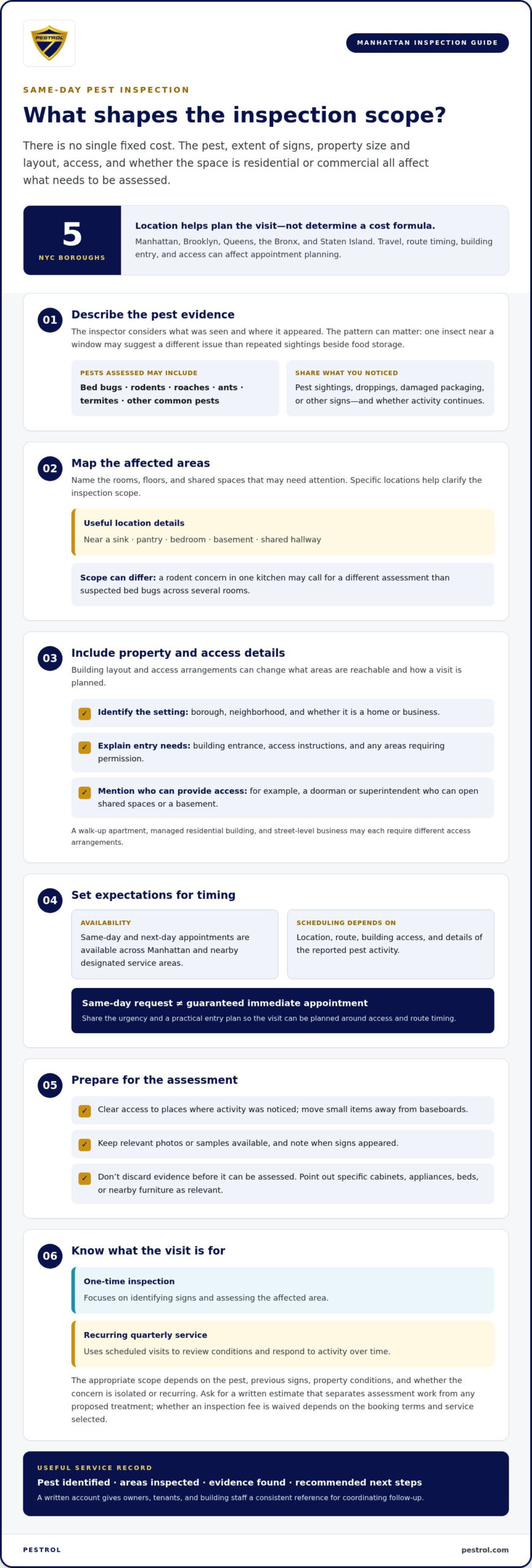
The price depends on the pest, affected area, access to the property, inspection scope, and whether treatment follows. Request a quote for a case-specific price. A same-day pest inspection in Manhattan has no single fixed cost: a rodent concern in one kitchen may call for a different assessment than suspected bed bugs across several rooms.
Location matters because New York City has five boroughs: Manhattan, Brooklyn, Queens, the Bronx, and Staten Island. Travel and building access can affect appointment logistics, while the pest and inspection needs determine the work itself. A walk-up apartment, managed residential building, and street-level business may each require different access arrangements. When describing the issue, share the borough, neighborhood, property type, and affected area.
Manhattan neighborhoods also have distinct property layouts. An inspection request in Harlem may involve a different building setup than one in the Financial District or Upper West Side. Neighborhood names help describe the location, but the pest evidence and spaces requiring inspection matter more to the scope. Note whether activity appears near a sink, pantry, bedroom, basement, or shared hallway. Those details help clarify which areas need attention.
Same-day dispatch across the five boroughs is a scheduling matter, not a cost formula. Travel distance, route timing, building entry, and access to affected rooms can influence appointment planning. Describe the urgency and provide a practical entry plan, including the building entrance, access instructions, and whether a superintendent can open shared spaces. A same-day request is not a guarantee of an immediate appointment.
General pest control and quarterly treatments address different needs. A one-time inspection focuses on identifying signs and assessing the affected area. Recurring quarterly service uses scheduled visits to review conditions and respond to activity over time. The right scope depends on the pest, previous signs, property conditions, and whether the concern is isolated or recurring. A residential kitchen with ant trails calls for a different assessment than a restaurant storage area with rodent evidence.
- Describe the pest: Mention whether you’ve seen a rodent, insects, droppings, damaged packaging, or other signs.
- Map the affected area: Name rooms, floors, and shared spaces that need inspection.
- Explain the timing: Say when you noticed activity and whether it continues.
- Share access details: Include entry instructions and any building areas requiring permission.
These details help define the inspection scope and make a quote more relevant. They can also help distinguish an isolated sighting from a wider infestation that needs a broader assessment.
Same-day and next-day pest service availability
Same-day and next-day pest appointments are available across Manhattan and nearby designated service areas. Scheduling depends on the location, route, building access, and details of the reported pest activity. When requesting a visit from Pestrol, name your Manhattan neighborhood, building entrance, and affected rooms. Those details help dispatchers plan a suitable visit without confusing urgency with a guaranteed arrival time.
Manhattan buildings can add practical scheduling steps. A doorman may control entry, a superintendent may need to unlock a basement, and a tenant may need permission to access shared spaces. Include those arrangements when describing the issue. Mention which pests you’ve seen and where signs appeared. Droppings beside a pantry shelf, for example, point the technician toward a specific area. Photos and a brief timeline can also help explain the problem before arrival.
Whether an inspection fee is waived depends on the booking terms and service selected. Review the written estimate to see whether inspection charges are separate or applied when treatment is booked. The estimate should distinguish assessment work from proposed pest control. This makes it easier to compare the inspection scope with the next step, such as addressing a rodent entry point or treating an identified infestation. Don’t assume a fee is waived because the appointment is scheduled for the same day.
For Manhattan landlords and tenants, pest inspection responsibilities can depend on the building, lease, and circumstances of the infestation. Report visible signs promptly to the property manager, document the affected area, and coordinate access for inspection.
Prepare your Manhattan apartment by clearing access to places where you’ve seen activity. Move small items away from baseboards, keep relevant photos or samples available, and note when signs appeared. Don’t discard evidence before the technician can assess it. For a kitchen concern, identify affected cabinets or appliances; for bedroom activity, point out the bed and nearby furniture.
Ask for a clear service record after the visit. It should describe the pest identified, areas inspected, evidence found, and recommended next steps. Keep any credentials presented for the specific work with the record. A written account helps owners, tenants, and building staff coordinate follow-up, and gives everyone a consistent reference if activity returns or appears in another room. The inspection should identify the issue and guide an appropriate response, not simply be a quick visit.
Pest identification and risk assessment
A same-day inspection in Manhattan can assess signs of bed bugs, rodents, roaches, ants, termites, and other common pests. The inspector compares visible evidence with the location and pattern of activity. One insect near a window may indicate a different issue than repeated sightings beside food storage. Share what you’ve seen, where it appeared, and whether the activity is recurring.
Identification starts with evidence, not assumptions. A technician may examine mattress seams for bed bug signs, kitchen corners for roach activity, or gaps near pipes for rodent entry. A female bed bug can lay up to 500 eggs during her lifetime. That makes careful attention to seams, furniture joints, and nearby hiding places useful when bed bugs are suspected.
For a rodent concern, note droppings, gnaw marks, damaged food packaging, and possible entry points. Record whether signs appear in one apartment or several shared areas. Existing bait stations may also offer clues about where activity has been monitored. Don’t move them before the inspection. Recording where each station is located helps connect evidence across rooms.
A termite assessment looks for signs such as damaged wood, discarded wings, or mud-like tubes. Subterranean termites are active throughout all five boroughs of New York City. The inspection considers where signs appear and whether nearby wood or structural areas need closer attention. For example, evidence near a window frame calls for examining that location and adjacent materials, rather than drawing conclusions from one mark alone.
Risk assessment considers the pest, the evidence, affected spaces, and conditions that may support further activity. A pantry infestation can involve food storage and nearby cabinets; a bedroom concern may focus on beds, upholstery, and adjoining rooms. The inspector can distinguish a limited sighting from signs spread across several areas. This assessment helps determine whether monitoring, targeted treatment, or exclusion should be considered next.
- Show evidence: Keep photographs of insects, droppings, damage, or unusual marks.
- Mark locations: Name the room, surface, and nearby entry point for each sign.
- Describe timing: Explain when activity began and whether it continues.
- Keep access clear: Make suspected areas, existing stations, and affected furniture reachable.
These steps help focus an assessment in Manhattan apartments and other boroughs. Specific evidence supports clearer pest identification and a practical plan for the spaces involved.
Free estimates and inspections
A useful estimate explains the proposed scope, while an inspection examines signs and affected areas. Keep those steps distinct so you understand what the assessment covers and what treatment may involve.
Free Estimates
Use the estimate to understand the proposed work, not just its bottom line. A quote request should describe the pest, property type, affected rooms, and access needs. The price depends on the case, including the pest, extent of activity, property layout, and work involved. A single room and several connected rooms, for example, require different scopes.
Check whether the estimate separates inspection, treatment, and follow-up work. If a proposal mentions removal, ask what material or pest activity that term refers to in the described work. A clear written scope helps you compare the proposed steps with the evidence found, whether the property is an apartment or a Brooklyn business.
Same-Day Inspection Inclusions
A same-day pest inspection includes examining reported areas, identifying visible pest evidence, and assessing conditions that may support activity. The technician can review entry points, affected surfaces, and nearby spaces, then explain the findings and possible next steps. A kitchen inspection, for example, may include checking cabinet edges, plumbing openings, and food storage areas.
Prepare a short account of what you’ve noticed. Share when activity began, where you saw it, and whether the signs are recurring. Keep photographs or captured evidence available, and point out existing stations or damaged materials. These details help the inspector use the visit efficiently and focus on relevant areas.
A thorough assessment should distinguish observations from recommendations. Ask which signs support the pest identification, which spaces were inspected, and what control services are proposed. If a technician finds rodent evidence near a wall opening, the report can identify the location and explain whether exclusion should be considered alongside treatment.
Before accepting a treatment proposal, look for the pest named, locations covered, preparation steps, and any follow-up described. A proposal for clothing moth activity, for instance, should identify the affected storage area rather than broadly label the entire home. Clear details help residents understand the next action and coordinate access with building staff.
Keep the estimate and inspection notes together. Record the visit date, rooms reviewed, evidence observed, and recommendations. If activity later appears elsewhere, these details give the next assessment useful context. This record also helps a property manager coordinate communication between tenants, maintenance staff, and the person arranging pest control.
Residential and commercial pest management
A Manhattan apartment and a restaurant need different pest management plans. Residents want to protect living spaces and belongings; businesses must also consider daily operations, staff, and customers. The pest, affected rooms, building layout, and signs of activity shape the inspection and response. A professional pest assessment connects those details to practical next steps.
In a home, an inspection may focus on bedrooms, kitchens, storage areas, and shared walls. Bed bugs call for attention to mattress seams, bed frames, and nearby furniture. A cockroach sighting near a refrigerator may direct attention to adjoining cabinets and plumbing gaps. Tell the inspector which rooms show activity and whether signs have appeared elsewhere in the apartment.
Commercial pest problems involve different routines. A restaurant may need attention to food storage, waste areas, delivery points, and spaces behind equipment. Pest control for a food business should account for operating hours and access to work areas. Staff can help by recording sightings, noting affected locations, and keeping a simple log for the inspection.
The most useful plan connects pest evidence to the property’s daily conditions. In a residential building, that can mean identifying whether activity is limited to one unit or appears near shared spaces. In a restaurant, it can mean tracing signs from a storage area toward a service entrance. These distinctions help separate a localized issue from one requiring broader coordination.
Inspection findings also guide the type of response. A bed bug concern differs from a cockroach sighting, while rodent activity may require attention to possible access points. Treatment recommendations should name the pest and affected areas, explain relevant preparation steps, and describe any follow-up. Ask how residents, maintenance staff, or restaurant employees can support the plan without disrupting essential routines.
Use this checklist to prepare for a residential or commercial assessment:
- Record sightings: Note the pest, location, and time observed.
- Identify affected spaces: Include adjoining rooms, storage areas, and shared locations.
- Plan access: Arrange entry to relevant rooms, basements, or restaurant work areas.
- Share operating needs: Explain household routines or business hours that affect access.
These steps give the inspection a clear starting point. Documented findings can also help building managers and tenants coordinate a response. For businesses, a clear scope helps staff understand which areas need attention and when access is required. Match the response to the property, not just the pest name.
Pestrol: Home Pest Protection – Basic
For Manhattan households seeking ongoing protection after an inspection, Pestrol offers Home Pest Protection – Basic. Consider it when you want a home protection plan rather than help with one identified pest problem.
Pestrol also offers Home Pest Protection – Plus and Home Pest Protection – Premium. These plans provide additional options for household pest management. If inspection findings point specifically to bed bugs, Pestrol’s Bed Bug Treatment is the targeted service to consider.
Choose based on the inspection findings and the kind of support your home needs. Contact Pestrol to discuss the relevant option, or visit Pestrol online.
Take the next step toward a pest-ready home
A same-day pest inspection in Manhattan can turn an immediate concern into a clearer plan for your home. Once you understand what’s happening, consider whether targeted treatment or ongoing protection better suits your household. Pestrol offers Home Pest Protection – Basic, Home Pest Protection – Plus, and Home Pest Protection – Premium for continued home pest management.
Choose your next step based on the inspection findings and the support you want. Discuss the affected areas and signs you’ve noticed with Pestrol to connect the issue with an appropriate service or protection plan.
With a clear plan in hand, you can move forward with greater confidence and help keep your home comfortable.
Frequently Asked Questions
How quickly can you come out for an inspection?
Same-day and next-day appointments may be available, depending on scheduling, travel routes, and property access. A request for an inspection in a Manhattan apartment building can move more smoothly when you provide the neighborhood, entry instructions, and affected rooms upfront. Include whether a superintendent or building manager must arrange access. Those details help with practical timing without assuming every appointment can be scheduled immediately.
Which Manhattan pest inspectors offer same-day appointments?
Pestrol provides pest control services, and appointment timing depends on scheduling and property access. When discussing an inspection, describe the pest signs and location, such as a bedroom in Chelsea or a kitchen in Washington Heights. That information helps clarify the service needed. Scheduling a same-day inspection is separate from treatment: the inspection identifies the concern and informs the next step.
How much does a same-day pest inspection cost in Manhattan?
The cost depends on the pest, inspection scope, property layout, and affected areas; a quote request provides the case-specific price. A single-room assessment differs from examining connected rooms or shared building spaces. For example, suspected bed bugs may require attention to the bed and nearby furniture, while rodent signs can involve possible entry areas. Describe the issue and property clearly to make the estimate relevant.
What areas of Manhattan do same-day pest inspection services cover?
Inspection coverage depends on the service area and appointment logistics. Manhattan examples include Harlem, Midtown, the Lower East Side, and the Upper West Side, but neighborhood names alone don’t establish whether a particular appointment is available. Share the building’s neighborhood and entrance details when arranging an inspection. For Pestrol, Manhattan is within its New York City service area, alongside Rockland County, Orange County, and Westchester County.
How quickly can Manhattan pest inspectors arrive, and what are their hours?
Arrival timing and service hours depend on the appointment schedule, route, and building access. An address near a staffed lobby may require different entry coordination than a walk-up with locked common areas. Give the inspector clear instructions and mention any time restrictions for entering the unit. Pestrol’s published information doesn’t establish specific arrival times or operating hours, so avoid treating a requested time as a confirmed arrival window.
How do I compare licensed, insured pest inspection companies in Manhattan?
Compare the written inspection scope, findings, recommended work, and service record. For licensing and insurance, review the credentials and documentation presented for the specific work rather than relying on a general claim. A useful record identifies the pest evidence and areas assessed. For example, a report should distinguish a cockroach sighting in one kitchen from signs found in multiple rooms, then connect its recommendations to those findings.
What should I do if an inspector finds bed bugs, rodents, or termites?
Use the inspection findings to choose a response directed at the identified pest. Pestrol offers Bed Bug Treatment for bed bug findings, Rodent Proofing for rodent concerns, and Termite Control for termite activity. Keep the written findings with your property records, and share relevant details with building management if shared spaces may be involved. Avoid disturbing the affected area before the next planned service step.