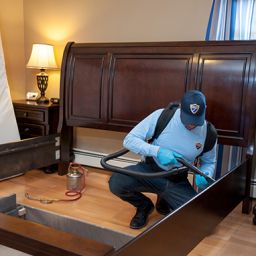




In 2026, reports showed that 1,397 dwelling units across 583 New York City buildings faced bed bug infestations. If you’ve just discovered a hitchhiker in your bedroom, you probably feel a mix of social stigma and intense anxiety about the weeks ahead. It’s frustrating to deal with complex preparation requirements while wondering if your neighbors are the source of the problem. You’re likely also questioning who is legally responsible for the bill in a city with such specific tenant laws.
We believe your home should be a sanctuary, not a source of stress. We’ve designed this guide to help you master the apartment bed bug treatment process while navigating New York’s strict landlord-tenant regulations. You’ll discover how to effectively eliminate these pests from your living space even with shared-wall challenges. We’ll walk you through your rights under Local Law 69, the specific steps for preparation, and how to coordinate with your building management to ensure the job is done right the first time. This is about more than just pest control; it’s about reclaiming your peace of mind.
Key Takeaways
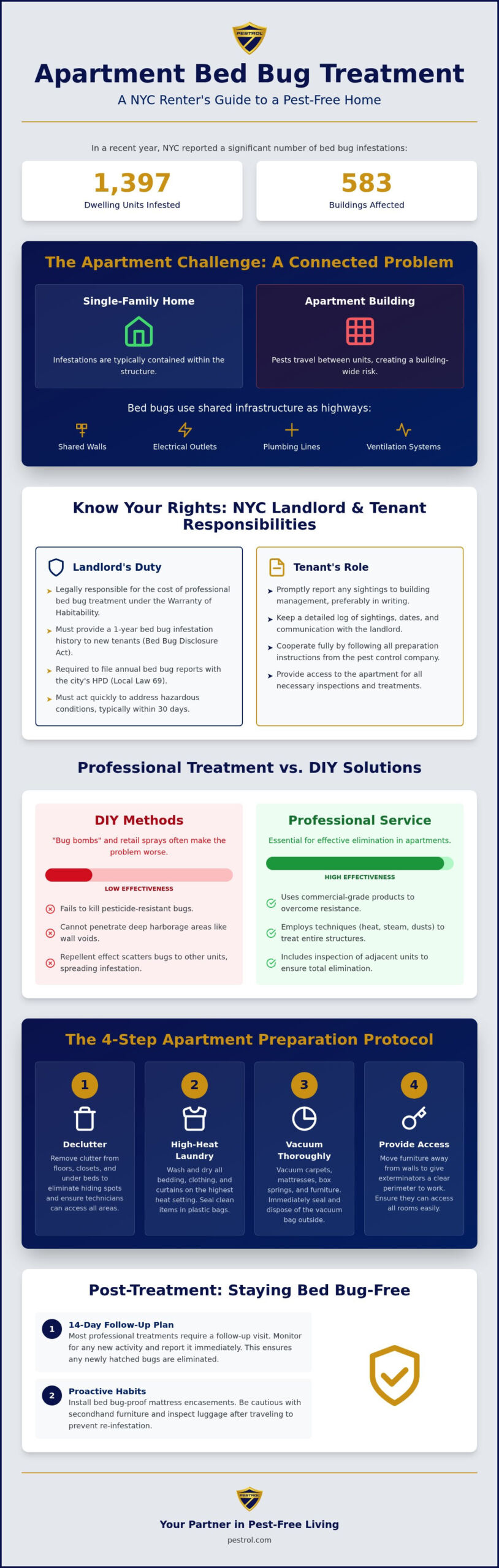
- Understand how bed bugs navigate shared walls and electrical outlets to prevent building-wide infestations.
- Learn why New York landlords are legally responsible for treatment costs and how to use the Bed Bug Disclosure Act to your advantage.
- Discover why professional apartment bed bug treatment is essential to overcome pesticide resistance and reach deep-harborage areas that DIY sprays miss.
- Master the high-heat laundry and decluttering protocols required to prepare your space for a successful extermination.
- Implement a 14-day follow-up plan and proactive habits to ensure your apartment remains pest-free after the initial visit.
Why Apartment Bed Bug Treatment is Different from Single-Family Homes
Apartment bed bug treatment is the specific process of eradicating infestations within a multi-unit dwelling. Unlike a single-family home where the exterior walls act as a clear boundary, an apartment is part of a living, breathing ecosystem. In Manhattan’s high-density environment, your living space is interconnected with your neighbors through a complex network of shared infrastructure. This means a localized problem can quickly become a building-wide crisis if it isn’t handled with a specialized urban approach.
The “shared wall” factor is the biggest challenge in urban pest control. Bed bugs don’t just stay in beds; they use electrical outlets, baseboard gaps, and plumbing lines as corridors to move between units. If one tenant has an infestation, the entire floor is technically at risk. Pests also frequent common areas like laundry rooms and hallways, hitching rides on clothing or laundry bags to find new hosts. This interconnectedness means treating a single room in isolation rarely solves the problem for good. It requires a coordinated effort that respects the unique physics of apartment living.
The Architecture of an Infestation
Building style heavily influences how these pests move. Pre-war Manhattan buildings often feature radiator pipes and gaps in original hardwood floors that act as perfect transit tunnels. Modern high-rises might seem more secure, but they often share intricate ventilation systems and drywall voids that allow bugs to bypass traditional barriers. We often see residents attempt to use “bug bombs” or foggers, but these are particularly dangerous in apartments. These retail products often act as repellents, driving the bugs deeper into the wall voids and into your neighbor’s unit rather than killing them. Understanding various bed bug control techniques is vital because professional methods focus on total elimination rather than displacement.
The Multi-Unit Inspection Protocol
Effective apartment bed bug treatment requires a wider lens than just your bedroom. A professional protocol must include inspections of the units directly above, below, and on both sides of the reported activity. This building-wide transparency is the only way to achieve long-term results. At Pestrol, we focus on identifying “hot zones” within high-density complexes. We track the movement patterns through shared vents and plumbing stacks to ensure the treatment covers every possible hiding spot. We treat every case with a results-first mentality, knowing that your peace of mind depends on a comprehensive building-wide strategy rather than a quick fix in one corner of your home.
New York Tenant Rights and Landlord Responsibilities for 2026
In New York City, your rights as a tenant are clearly defined by law. Understanding these protections removes the fear of being left with a massive bill or an unresponsive landlord. The NYC Bed Bug Disclosure Act requires property owners to provide a one-year infestation history to all new tenants before they sign a lease. This transparency is backed by Local Law 69, which mandates that landlords file annual reports with the Department of Housing Preservation and Development (HPD). If you’re currently dealing with an issue, remember that the Warranty of Habitability dictates that your landlord is responsible for the cost of apartment bed bug treatment. You have the right to a safe, vermin-free home, and that includes professional extermination services.
Documentation is your strongest tool in this process. Always report sightings to your management company in writing rather than just over the phone. Keep a log of when you saw the pests, where they were located, and when you notified the building. You can find detailed resources on these requirements through the NYC Health Bedbug Information portal. While the landlord pays for the service, you have a legal duty to cooperate. This means following all preparation instructions and allowing access to your unit for inspections and treatment sessions.
Legal Protections for NY Renters
New York State law is very protective of renters when it involves public health. Once you report an infestation, management must act quickly. While specific timelines can vary, most NYC buildings must address hazardous conditions within 30 days. If your landlord refuses to hire a licensed professional, you can file a complaint by calling 311. This triggers an official HPD inspection. Having an official record often motivates property managers to schedule an apartment bed bug treatment immediately to avoid heavy fines and legal action.
The Collaborative Treatment Model
Successful elimination requires a partnership between you, your neighbors, and the exterminator. Privacy is important, but shared-wall dynamics mean the building must be transparent about where activity is found. We recommend choosing a professional bed bug treatment NYC expert who understands how to coordinate with management while respecting your personal space. At Pestrol, we bridge this gap by communicating clearly with both parties. If you need help discussing these rights with your landlord, our team can provide the technical documentation they need to approve a plan. Feel free to contact us to learn more about our specialized residential protocols.
Professional vs. DIY Apartment Bed Bug Solutions
Many Manhattan residents try to handle the situation themselves to avoid building-wide attention. However, retail sprays and “foggers” have an incredibly high failure rate in multi-unit buildings. Urban bed bug populations have developed significant chemical resistance to common pyrethroids found in hardware store products. Instead of killing the colony, these low-grade chemicals often act as a warning signal. The bugs simply retreat deeper into wall voids or move into the apartment next door, making the eventual apartment bed bug treatment much more difficult and expensive.
A professional approach provides the speed and thoroughness that DIY methods lack. While a homeowner might spend months cycling through different retail products, a licensed expert uses commercial-grade tools designed for deep-harborage areas. This cost-benefit analysis is clear. You can either spend hundreds on ineffective sprays that lead to ruined furniture and sleepless nights, or you can invest in a decisive solution that protects your home and your reputation in the building.
The Danger of DIY Repellents
Essential oils and retail repellents are particularly counterproductive. When you spray these substances, you scatter the colony into hard-to-reach areas like electrical conduits and floorboard gaps. In small, poorly ventilated New York apartments, the misuse of these chemicals also poses a respiratory risk to you and your pets. We often see families lose thousands of dollars in ruined furniture because they soaked mattresses in ineffective sprays, hoping for a quick fix. Professional intervention prevents this unnecessary waste and ensures the job is done safely. To understand how expert bed bug removal relies on precise, localized protocols and deep architectural knowledge to achieve total eradication, our NYC and Hudson Valley case study offers a detailed look at what professional-grade results actually require.
Pestrol’s Targeted Elimination Protocol
Professional-grade equipment is the only way to reach deep-harborage areas behind baseboards and inside bed frames. Our team uses advanced visual inspections and specialized monitoring traps to locate every hiding spot. We follow strict guidelines for Preparing for Bed Bug Treatment to ensure the environment is ready for total elimination. This isn’t a one-size-fits-all approach. We customize every plan to the specific layout of your residence, whether it’s a studio in Chelsea or a pre-war unit in Harlem.
Our results-first mentality means we don’t just treat the immediate problem. We look at the bigger picture of your building’s health. By integrating home protection from pests, we create a defensive barrier that helps prevent future crossovers from neighboring units. Choosing apartment bed bug treatment through a licensed expert ensures the infestation is handled with the thoroughness your home deserves, providing the long-term value that DIY methods simply can’t match.
How to Prepare Your Apartment for Professional Treatment
Preparing for an apartment bed bug treatment in a Manhattan studio or small one-bedroom presents unique challenges. You don’t have spare rooms to shift furniture into while a technician works. Success depends on strategic organization. You must maximize floor space without spreading the infestation to your common areas or neighbors. Follow these steps to ensure your home is ready for a professional-grade result. We’re here to guide you through every stage of this process.
- Step 1: Strategic Decluttering. Remove items from under beds and the bottom of closets. In a small apartment, use vertical space or clear plastic bins to stack items. Never move loose items from the bedroom to the living room without sealing them first.
- Step 2: High-Heat Laundry. Wash all textiles on the hottest setting possible. This is the only way to ensure total elimination of eggs.
- Step 3: Precision Vacuuming. Use a crevice tool along baseboards and bed frames. Immediately seal the vacuum bag in a secondary plastic bag and take it directly to the building’s trash chute.
- Step 4: Electronics Management. Pull electronics and small furniture at least two feet away from the walls. This creates a “dead zone” that allows the technician to treat the perimeter effectively.
- Step 5: Perimeter Access. Ensure all baseboards are visible and clear. If the technician can’t reach the wall-floor junction, the treatment won’t be as effective.
The High-Heat Rule for Textiles
Heat is your most powerful ally. Sustained temperatures of 120°F are necessary to kill bed bugs at every life stage, including the resilient eggs. We recommend using dissolvable laundry bags for your linens. You can place these bags directly into the wash without ever touching the infested fabric again. For “dry clean only” items or delicate silks, place them in a dryer on high heat for at least 30 minutes. This provides the necessary thermal shock without the risk of water damage.
Protecting Your Belongings
Don’t panic and throw your mattress on the sidewalk. This spreads the bugs through the hallways and elevators of your building. Instead, invest in high-quality, bed bug-rated mattress encasements. These trap any remaining bugs inside and prevent new ones from nesting. For books and non-washable items, seal them in airtight plastic bins. Keeping these items sealed for the duration of the apartment bed bug treatment process ensures that once your home is clear, it stays that way. We treat every Manhattan residence with a protective mindset, ensuring your valuables are preserved while the pests are eliminated.
Post-Treatment: Keeping Your Apartment Bed Bug-Free
The completion of your initial apartment bed bug treatment is a major milestone, but it isn’t the final step. A 14-day follow-up visit is absolutely crucial for long-term success. Bed bug eggs are notoriously resilient and can survive many initial treatment applications. This second visit ensures that any newly hatched nymphs are eliminated before they reach reproductive maturity. Without this persistent approach, a small number of survivors can restart the entire infestation cycle within a month. We treat this follow-up with the same urgency as the first visit to ensure your home remains protected.
Early detection remains your most effective tool in high-density Manhattan buildings. We recommend installing active monitoring traps under bed posts and along baseboards near sleeping areas. These devices act as an early warning system, catching “hitchhikers” before they have a chance to establish a new colony. If you live in a building with high tenant turnover, these tools provide essential visibility. They allow you to identify a problem coming from a neighboring unit long before it becomes a full-blown crisis in your own bedroom.
Smart Prevention for Urban Living
Living in New York requires a proactive mindset when bringing items into your home. If you’re scouting for vintage furniture or second-hand finds in the Bronx, inspect every seam, joint, and screw hole with a flashlight before the item crosses your threshold. When you travel, keep your luggage on elevated racks or in the bathtub rather than on the hotel carpet. Once you return, put all clothing directly into a high-heat dryer for at least 30 minutes. You should also seal any small cracks or crevices in your baseboards with high-quality caulk. This permanent exclusion tactic makes it much harder for pests to travel through shared walls from adjacent apartments.
Pestrol’s Home Pest Protection Plans
Every building carries a different level of risk depending on its age and density. We offer three distinct tiers of service: Home Pest Protection – Basic, Plus, and Premium. These plans are designed to provide recurring inspections and preventative barriers that stop pests before they can settle in. While a one-time apartment bed bug treatment addresses an immediate infestation, our tiered plans offer the long-term peace of mind that comes from professional oversight. This is the most cost-effective way to defend your home against the constant pressure of urban pest movement. Pestrol’s specialized local expertise in Manhattan, the Bronx, and Orange County ensures your residence receives the targeted protection required to maintain a healthy, pest-free environment.
Reclaim Your Peace of Mind and Your Home
Reclaiming your apartment from bed bugs requires a strategic approach that respects the unique architecture of New York City buildings. You now understand that your rights under the Warranty of Habitability protect your wallet while professional apartment bed bug treatment protects your living space. By following strict preparation protocols and coordinating with your landlord, you can stop the cycle of infestation that often plagues high-density housing.
As a family-owned business, we bring local reliability and professional-grade results to every unit we service. We take pride in serving Manhattan, the Bronx, and Orange County with a results-first mentality. Whether you need an immediate solution or the long-term security of our tiered Home Pest Protection plans, we have a customized option for your budget.
You don’t have to face this challenge alone. We’re here to be your knowledgeable ally in maintaining a healthy, comfortable, and pest-free home.
Frequently Asked Questions
Do I have to move out of my apartment during bed bug treatment?
No, you usually don’t need to move out permanently. Most apartment bed bug treatment sessions require you to vacate for only four to six hours. This gives the materials time to dry or the heat levels time to stabilize safely. You can return the same evening to sleep in your own bed. We focus on getting your life back to normal as quickly as possible without the need for expensive hotel stays.
Can bed bugs travel through the vents in my apartment building?
Yes, bed bugs frequently use ventilation systems to move between units. They also travel through electrical outlets, radiator pipe gaps, and plumbing stacks. In dense Manhattan buildings, these shared pathways act as highways for pests. This is why we emphasize inspecting adjacent units above and below your own. Sealing these entry points with caulk or foam is a vital part of a comprehensive long-term defense strategy.
How much does a professional apartment bed bug treatment cost in NYC?
The cost for professional extermination in New York City depends on the size of your unit and the severity of the infestation. While specific prices fluctuate based on the treatment method chosen, remember that NYC law generally places this financial burden on the property owner. You should check your lease and the Warranty of Habitability. Most residents find that the long-term value of professional care far outweighs the recurring costs of failed DIY attempts.
Is the landlord required to pay for bed bug treatment in New York?
Yes, New York landlords are legally required to pay for bed bug eradication. Under the Warranty of Habitability, property owners must maintain a safe and livable environment. This includes keeping the building free of pests. If you report an infestation in writing and the landlord refuses to act, you can contact the HPD or call 311. You should never be forced to pay for a professional apartment bed bug treatment yourself.
What is the fastest way to get rid of bed bugs in a small apartment?
Hiring a licensed professional is the fastest way to achieve total elimination. While DIY sprays can take months of repeated applications, professional-grade protocols are designed to kill bugs at every life stage in just one or two visits. In small studio apartments, heat treatments are particularly efficient because they reach into every crack and crevice simultaneously. This speed is essential for Manhattan residents who need to return to their normal routines without delay.
Can I treat just the bedroom if I found a bug there?
No, treating just one room is rarely effective. Bed bugs are experts at hiding in areas you might not expect, including living room sofas, baseboards, and even behind picture frames. If you only treat the bedroom, the survivors will simply migrate to other parts of the unit or neighboring apartments. A comprehensive inspection of the entire residence is necessary to ensure that no hidden colonies remain to restart the infestation cycle later.
How do I know if my apartment has bed bugs or just dust mites?
You can identify bed bugs by looking for physical evidence like small reddish-brown insects, dark fecal spotting, or translucent egg casings. Dust mites are microscopic and cannot be seen with the naked eye. If you are seeing actual bugs or finding itchy welts on your skin in a linear pattern, you likely have a bed bug issue. We use advanced detection methods to provide a definitive diagnosis so you don’t waste time on the wrong solution.
What should I do if my neighbor has bed bugs but won’t treat them?
You should immediately notify your landlord or property management company in writing. Since bed bugs travel through shared walls, an untreated unit puts the entire building at risk. If management doesn’t intervene, filing a complaint through 311 is your next step. This triggers an official inspection that can legally compel your neighbor to cooperate. We often work with building managers to provide building-wide solutions that protect every resident’s peace of mind.