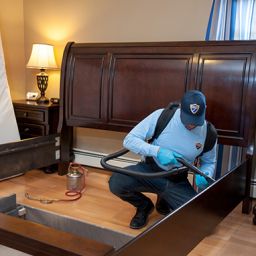




A small gap can point to a bigger job. The rodent exclusion services cost in Chester depends on the scope of work: how extensive the infestation is, whether rodents need to be removed, how many entry points require sealing, and whether damaged vents, trim, or weatherstripping need repair. The price is specific to the property and is provided after a quote request.
It’s understandable to want a clear figure before deciding what to do. But sealing openings without addressing active rodent activity, or overlooking hidden access points, can leave the problem unresolved. Inspection findings, infestation size, removal, sealing materials, and repairs all shape the work. Understanding these factors helps you see what an exclusion plan may involve and which tasks matter for your home.
Key Takeaways
- Look beyond visible droppings: an inspection should trace entry points around the property and identify areas that may need closer access.
- Separate rodent removal from exclusion work; the amount of activity and the number of openings to seal affect the scope of the job.
- Durable sealing materials matter, and the right approach depends on the location and size of each gap.
- Damaged vents, trim, and weatherstripping can add repair work, so note visible damage when assessing the project.
- Compare estimates by what they cover, including inspection, removal, sealing, follow-up, and any separately billed repairs.
What Affects the Rodent Exclusion Cost?
The main cost drivers are the inspection scope, infestation size, entry-point repairs, and sealing materials. A thorough inspection helps distinguish a simple gap from a larger structural access problem.
Property Inspection and Entry-Point Identification
There is no single cost for every Chester property. The price depends on the findings and work required, and is provided after a quote request. Key factors include inspection time, the number and location of entry points, sealing materials, rodent removal, and repairs.
A thorough inspection traces rodent activity from indoor signs to possible exterior access points. Inspect the home’s exterior, garage, attic access, and crawl space, if present. Droppings, gnaw marks, rub marks, and nesting material can help focus the search. A house mouse can squeeze through an opening about the size of a dime, so small gaps deserve attention.
Check likely structural routes, including gaps around pipes, vents, doors, and the foundation. Exterior cabinets or wall coverings can conceal access points. If signs stop at a wall or enclosed area, finding the opening may require moving or removing a covering. A useful estimate identifies the areas inspected and the entry points found.
Sealing Entry Points
Sealing closes the routes rodents use to enter, helping prevent reinfestation after removal. Trapping alone does not stop new rodents from using the same openings. Professional exterminators like Byrne Pest Control emphasize that a complete exclusion plan must combine active removal with durable sealing of every identified access point.
Materials should suit the opening and its location. Hardware cloth, metal mesh, copper mesh, light-gauge steel, concrete, and sealant can address different gaps. Plain foam can be chewed through, so it is not a durable stand-alone barrier. For example, mesh can cover a vent opening, while sealant can close a narrow gap around a pipe.
Ask which materials will be used at each opening and whether the repair will close the route completely. Some openings need more than surface patching. A porous stone foundation may need a solid cement block over the vulnerable area, while pipe openings may need caps. The written scope should specify the entry points sealed, materials used, whether trapping is included, and any follow-up or separate repairs.
Average Service Cost in Chester
For a Chester home, the cost reflects the work required at that property, not a standard package. A small, accessible gap may need limited sealing, while hidden access behind a covering can add inspection and removal work.
The structure’s condition and location matter, too. A vent, trim board, or weatherstripping gap may be easy to reach, but deteriorated or concealed areas can require repair before sealing. Several routes around a garage, foundation, and pipe penetrations take more work than one isolated opening.
Compare estimates by checking whether they describe inspection findings, list entry points, name sealing materials, and explain whether removal, follow-up, and repairs are included. This makes it easier to understand what the quoted work addresses and which structural points remain outside its scope.
Factors affecting rodent removal costs
Rodent removal and exclusion are related but distinct tasks. Removal addresses rodents already inside; exclusion reduces access for new ones. The overall scope depends on infestation severity, the rodent involved, access conditions, and the follow-up the property needs.
The price depends on the work your property needs, and the exact figure is provided in a quote. The estimate should reflect the extent of activity, removal method, number of service visits, and any related repairs or exclusion work.
How Infestation Severity Affects the Work
A limited, localized problem differs from widespread activity across an attic, crawl space, and living areas. Signs in several parts of a home may mean more areas need attention and more removal work. Nesting material, droppings, gnawing, and repeated sightings help establish the extent of activity.
Addressing signs while they are limited can keep the work focused. A larger infestation may take more than one visit to remove, especially if rodents remain active in concealed spaces. Access matters, too: a clear basement corner is easier to reach than activity behind stored items or inside an enclosed wall space.
Removal Method and Follow-Up
The removal method affects the time and work involved. Trapping requires placing equipment where activity is identified, then checking it and adjusting its placement as needed. Follow-up visits may be part of the plan to assess continued activity and determine whether more removal is necessary.
Ask what the removal work covers. A useful estimate distinguishes trapping from entry-point exclusion and states whether follow-up is included. This matters because removing rodents without addressing access can leave the property open to recurring activity. Treatment should reflect the signs found, not just one isolated sighting.
Property Conditions and Exclusion Scope
Access and building conditions can add work beyond removal. A garage with clear access may be simpler to service than a cluttered storage area or concealed void. If activity is behind cabinets or wall coverings, locating and reaching the affected area can require additional steps.
Exclusion scope also depends on how many access points need attention and how difficult they are to reach. One accessible opening differs from several gaps across a foundation, vent, and pipe route. Repairs to damaged building features can add another task to the project.
For a clear picture, keep notes on where you’ve seen activity and describe the affected areas during a quote request. If mice are active in the home, mouse control can address the removal side of the problem.
Rodent exclusion inspection and sealing
A useful inspection connects signs of rodent activity with possible access routes, then records the work required. That record helps distinguish routine sealing from larger repairs.
Permit requirements depend on the work involved. Sealing an existing gap differs from changing a structural component, so identify the planned work before deciding whether local building requirements apply.
Home and Outbuilding Inspections
Inspection should trace activity through the home and relevant outbuildings, such as a detached garage or shed. Check where each structure meets the ground, where utility lines enter, and whether stored materials hide gaps. Compare indoor signs with exterior conditions to connect evidence with a likely route.
Keep a location record: note the structure, the sign observed, and the nearby area to inspect. Droppings beside a shed door, for example, point to checking the threshold and door edges. This helps distinguish one localized route from activity affecting separate spaces.
Winter conditions can make exterior access routes more noticeable as rodents seek shelter. Still, inspect the property rather than focusing only on seasonal signs. A garage, storage shed, and house may each have different access points and need separate sealing decisions.
Understanding rodent exclusion services cost in Chester starts with the inspection scope. An assessment of the home alone differs from one that also examines outbuildings and concealed areas, because the findings shape the work plan.
Inspection Fees
An inspection fee covers assessment work, not automatically removal or sealing. The assessment may include tracing signs, recording accessible openings, examining outbuildings, and identifying areas that need further access. A written estimate should distinguish inspection from trapping, sealing, and repairs.
Compare the scope, not just the label attached to a fee. One assessment may cover the home and exterior, while another may include detached structures or concealed spaces. Check whether findings and proposed work are itemized, including the entry points covered and separately billed tasks.
Follow-up inspections serve a different purpose from the initial assessment. After sealing, a return visit can assess whether activity continues and whether treated routes need attention. Records of the original signs, completed work, and any new evidence make rodent control easier to evaluate.
How much rodent exclusion services cost Chester households depends partly on what the inspection covers and which follow-up work is included. Keep the findings with the estimate, especially if signs appear in another room or structure. Before work begins, compare each sealing task with the recorded opening and confirm that structural repairs are listed separately.

Repairs for damaged vents, trim, or weatherstripping
Rodent damage can affect both the entry route and the surrounding structure. Repair costs depend on the damaged material, how far the damage extends, and whether removal or replacement is needed. A bent vent cover, gnawed trim board, and torn weatherstripping each require different work.
Attic cleanup and insulation replacement costs in Chester depend on the affected area, the amount of material to remove, and the extent of damage. The exact figure comes from a quote for the specific attic, including any separate repairs needed after removal.
Inspect Damage Before Repair
Start by recording the damaged feature and its location. Note, for example, whether a vent has a broken screen, trim has a chew mark, or daylight shows beneath a door. These details help distinguish a small exclusion repair from a larger structural repair.
Look beyond the visible opening. A loose vent frame may leave gaps around its edges, while damaged weatherstripping may leave a continuous route beneath a door. Document each affected structure separately, such as the house, garage, or attic access. This makes the repair scope easier to understand and keeps unrelated building work separate.
Structural Repairs After Rodent Removal
Once rodents are removed, repair damaged materials before sealing the route. Replacing a torn vent screen, securing loose trim, or fitting new weatherstripping can restore the barrier at the access point. If damage extends behind a wall or into an attic, the work may require opening and repairing the affected area.
Drywall repairs after rodent removal can range from a localized patch to broader replacement if damage extends across a wall. The estimate should describe the affected area, repair method, and whether painting or other finishing work is included. Keep exclusion work distinct from structural restoration, since each addresses a different part of the problem.
Minor Exclusion Repairs
Some repairs involve closing a small gap or replacing a damaged component. A door sweep may need adjustment, or a vent opening may need a durable mesh barrier. Match the material to the location, and do not treat a quick patch as a lasting fix if the surrounding structure remains loose or damaged.
Review the scope for listed repairs, materials, and visits. Ask whether the price covers only the specific opening or nearby damage found during the work as well. A written scope clarifies what is covered. Do not assume a guarantee includes unrelated repairs or future damage unless its terms say so.
Before approving repairs, compare the proposed work with the inspection findings. Confirm that each damaged vent, trim section, or weatherstripping area has a defined repair and sealing step. This connects the building repair to the rodent entry route instead of leaving a visible gap untreated.
Cost by infestation size
Infestation size affects how much removal, exclusion, and cleanup a property may need. To understand the scope and cost, assess where activity appears, how widely it is spread, and whether exterior access points or damaged areas add work.
Small, Localized Activity
A small infestation may involve activity near one accessible entry point, with limited cleanup and sealing. Signs by a garage door, for example, may point to a localized route rather than activity throughout the home. The work can stay focused if inspection finds no connected signs in other rooms or structures.
Describe the precise location of each sighting, dropping, or gnaw mark. “Droppings beside the pantry wall” gives more useful direction than “mice in the house.” This helps distinguish one activity zone from a pattern that reaches the attic, basement, or garage.
Activity Across Multiple Areas
Signs in several spaces can expand the removal plan. Activity in a kitchen and attic, for instance, may require separate access checks and monitoring locations. More affected areas can mean additional labor, equipment placement, and follow-up visits to assess whether activity has stopped.
Separate evidence from assumptions. Record fresh signs, repeated sightings, and areas where stored belongings block access. A pest management plan can then focus on confirmed activity while accounting for rooms that still need inspection. This avoids treating one visible sign as proof of the infestation’s full extent.
Established Activity and Wider Repairs
Longstanding or widespread activity can involve concealed spaces and multiple entry routes. Rodents may move between the attic, wall voids, and utility areas, making removal harder from one accessible location. The plan may also need more extensive sealing or repairs if gnawing has damaged building materials.
Check whether the estimate separates removal, exclusion, cleanup, and structural repairs. Replacing damaged insulation, for example, is a different task from sealing an exterior gap. A clear breakdown shows which work addresses active infestation and which restores the affected structure.
How to Describe the Scope
Before discussing the job, prepare a simple room-by-room record. Include each location, the type of evidence, and whether signs appear fresh or recurring. Add exterior observations, such as a damaged vent or gap near the foundation, so the assessment can connect indoor activity with possible access.
Compare the proposed work against those locations. Check whether the plan identifies removal areas, sealing tasks, cleanup, and follow-up. The number of affected spaces matters, but access, damage, and the work required at each location also shape the overall scope.
Pestrol: Home Pest Protection – Basic
Pestrol: Home Pest Protection – Basic is a home pest protection option for homeowners considering a broader approach after addressing rodent access. If you’re weighing ongoing pest concerns alongside exclusion work, Pestrol also offers Home Pest Protection – Plus and Home Pest Protection – Premium. The right next step depends on the pests affecting your home and the protection you’re looking for. A clear discussion can help you understand which option best fits your situation, without confusing general pest protection with repairs to vents, trim, or weatherstripping. Contact Pestrol to discuss your home pest protection needs.
Take the Next Step Toward a Rodent-Resistant Home
Knowing what shapes rodent exclusion services cost in Chester helps you prepare for a practical conversation about your home. Before reaching out, decide what you need addressed first: current rodent activity, vulnerable areas, or a longer-term prevention plan. That focus can make the next step clearer.
You can also note where you’ve seen activity and what outcome matters most to your household. Use those details to explain your concern and discuss an appropriate path forward. Pestrol offers Home Pest Protection – Basic, Home Pest Protection – Plus, and Home Pest Protection – Premium for broader home pest protection needs.
A manageable plan starts with a clear conversation. When you’re ready, contact Pestrol to discuss the rodent activity and protection your home needs.
Frequently Asked Questions
What Factors Affect How Much You’ll Pay?
The amount reflects the work required to address your property’s specific rodent problem. Activity isolated to a reachable garage, for example, differs from activity in a packed attic with concealed access. Cleanup, disposal, and repairs can also be separate tasks. To make an estimate useful, describe where you’ve noticed activity and mention obstacles, such as stored items blocking access to an affected area.
What factors affect rodent exclusion service pricing in Chester?
Pricing reflects the exclusion work required, including how many openings need treatment, the materials selected, and whether damaged structures need repair. For a Chester property, mention whether the issue involves a detached garage, shed, or another part of the property. Compare written scopes by the specific work listed, rather than assuming two estimates cover the same repairs, removal, or cleanup.
Do Chester rodent exclusion companies charge inspection or assessment fees?
An inspection may be listed as a separate charge or included in a broader service estimate. The written breakdown should clarify which approach applies and what the assessment covers. Check whether it includes documenting suspected access routes, examining affected structures, and outlining recommended work. This helps you understand whether an estimate covers diagnosis alone or also removal and exclusion tasks.
Are rodent exclusion warranties or follow-up visits included in Chester service quotes?
Follow-up visits and warranty terms should be stated explicitly in the service quote, not assumed from the word “exclusion.” Look for the conditions covered, what happens if activity continues, and whether another visit carries a separate charge. Pestrol’s Home Pest Protection plans state, “WE KEEP COMING BACK AT NO COST UNTIL PEST ARE GONE.” That wording applies to those plans, not automatically to every exclusion quote.
Are there local regulations or permit requirements for rodent-proofing homes in Chester?
Permit requirements depend on the work involved. Sealing an existing gap differs from changing a structural component, so identify the planned work before determining whether local building requirements apply.